The Ultimate Guide to Self-Service Kiosks for Modern Restaurants
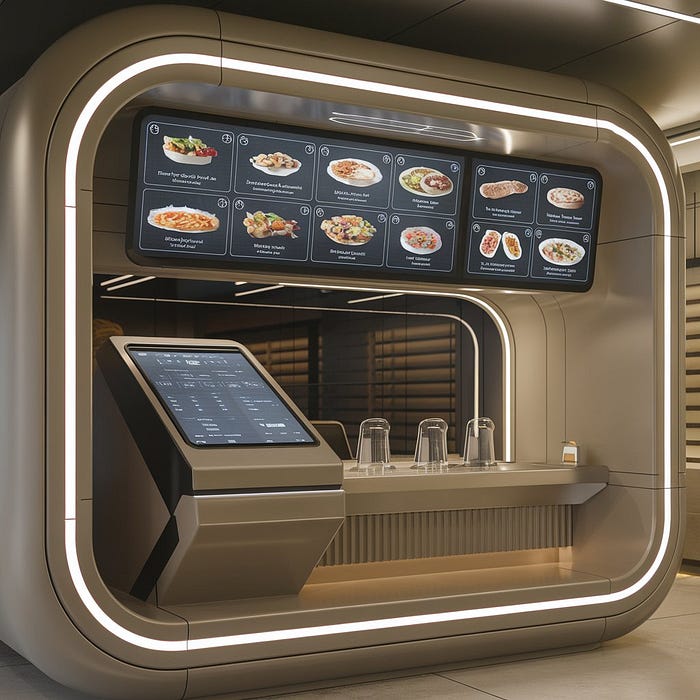
In today’s fast-paced restaurant industry, self-service kiosks have become a game-changer. These digital touchpoints offer customers the ability to place orders, make payments, and access information seamlessly.
As consumer preferences evolve toward speed and convenience, integrating self-service kiosks restaurant operations enhances customer experience while improving efficiency and reducing operational costs.
Self-service kiosks not only streamline the ordering process but also reduce human errors, minimize wait times, and empower customers to customize their orders. For restaurant owners, kiosks provide valuable data insights, reduce staffing costs, and increase order accuracy.
This guide will walk you through the essential aspects of self-service kiosks, from design and selection to customer experience and maintenance.
Understanding Kiosk Design for Restaurants
Effective kiosk design is essential for creating a smooth customer journey and ensuring operational efficiency. It blends technology, usability, and aesthetics to deliver a cohesive and user-friendly experience.
Types of Kiosks
Restaurants can choose from various types of self-service kiosks depending on their operational needs and customer preferences:
- Ordering Kiosks: These kiosks allow customers to browse menus, customize orders, and make payments. They are ideal for fast-food chains and quick-service restaurants.
- Payment Kiosks: Payment kiosks streamline the checkout process, allowing customers to settle their bills independently. These kiosks are common in cafeterias and self-serve dining areas.
- Information Kiosks: These provide customers with essential information, such as menu details, promotions, or loyalty programs. Information kiosks can also be used for feedback collection.
Key Design Elements
When designing a self-service kiosk for your restaurant, consider the following critical elements:
- Screen Size and Resolution: Ensure the screen is large enough for easy navigation. High-resolution displays improve readability and customer engagement.
- Layout and Navigation: An intuitive layout reduces friction during the ordering process. Use clear categories and logical steps to guide users.
- Accessibility Features: Design with inclusivity in mind by incorporating features like multilingual support, text-to-speech capabilities, and adjustable height options.
- Brand Integration: Customize the kiosk interface to reflect your brand identity. Consistent branding strengthens customer recognition and loyalty.

Selecting the Right Self-Service Kiosk
Choosing the right self-service kiosk requires a thorough understanding of your restaurant’s specific needs and operational goals. Here are key factors to consider:
Assessing Your Restaurant’s Needs
- Customer Volume: Evaluate peak hours and customer flow to determine the number of kiosks required.
- Menu Complexity: Assess whether your menu requires advanced customization features or simple item selection.
- Service Model: Identify whether you need kiosks for dine-in, takeout, drive-thru, or a combination of services.
- Space Availability: Ensure there is adequate space for kiosk placement without disrupting customer movement.
Budget Considerations
- Initial Investment: Consider the cost of hardware, software, installation, and staff training.
- Ongoing Costs: Factor in maintenance, software updates, and support fees.
- Return on Investment (ROI): Calculate potential savings in labor costs and increased order accuracy to justify the investment.
Integration with Existing Systems
- POS System Compatibility: Ensure the kiosk integrates seamlessly with your point-of-sale system to maintain data consistency.
- Inventory Management: Choose kiosks that sync with your inventory system to prevent stock discrepancies.
- Payment Gateway: Verify that the kiosk supports multiple payment methods, including credit cards, digital wallets, and contactless payments.
Enhancing Customer Experience with Kiosks
A well-designed kiosk enhances the customer journey by providing convenience, personalization, and speed. Focus on user-friendly design and advanced features to elevate the experience.
User-Friendly Interface Design
- Intuitive Menus: Simplify the menu with clear categories and visual aids, such as images and icons.
- Navigation Flow: Implement a logical step-by-step process to reduce user errors and confusion.
- Error Handling: Provide clear error messages and recovery options to assist users in completing transactions smoothly.
Adding Personalization Features
- Custom Recommendations: Use customer purchase history to suggest relevant items and upsell opportunities.
- Language Preferences: Allow customers to choose their preferred language for a more inclusive experience.
- Loyalty Integration: Integrate with loyalty programs to enable customers to earn and redeem rewards seamlessly.
Maintenance and Support for Kiosk Systems
Maintaining self-service kiosks ensures consistent performance, reduces downtime, and extends the lifespan of your investment. Implement a comprehensive maintenance and support strategy.
Routine Maintenance Tips
- Hardware Checks: Regularly inspect touchscreens, printers, and payment devices for wear and tear.
- Software Updates: Keep the kiosk software updated to access new features and security patches.
- Cleanliness: Clean screens and external surfaces frequently to maintain hygiene and usability.
- Performance Monitoring: Use remote monitoring tools to track performance metrics and detect issues proactively.
Technical Support Options
- On-Demand Support: Partner with a provider offering 24/7 technical assistance.
- Service Contracts: Invest in a service plan for routine inspections and priority repairs.
- Troubleshooting Guides: Provide staff with easy-to-follow guides for basic troubleshooting.
Conclusion
Self-service kiosks have transformed the restaurant industry by enhancing customer experience, improving operational efficiency, and offering valuable business insights. By understanding kiosk design, selecting the right system, and prioritizing maintenance, restaurant owners can leverage this technology to stay competitive and meet evolving customer expectations.
Investing in a well-designed and strategically implemented self-service kiosk can lead to increased customer satisfaction, streamlined operations, and long-term business growth. Now is the time to explore the potential of self-service kiosks and elevate your restaurant’s customer experience.

Comments
Post a Comment